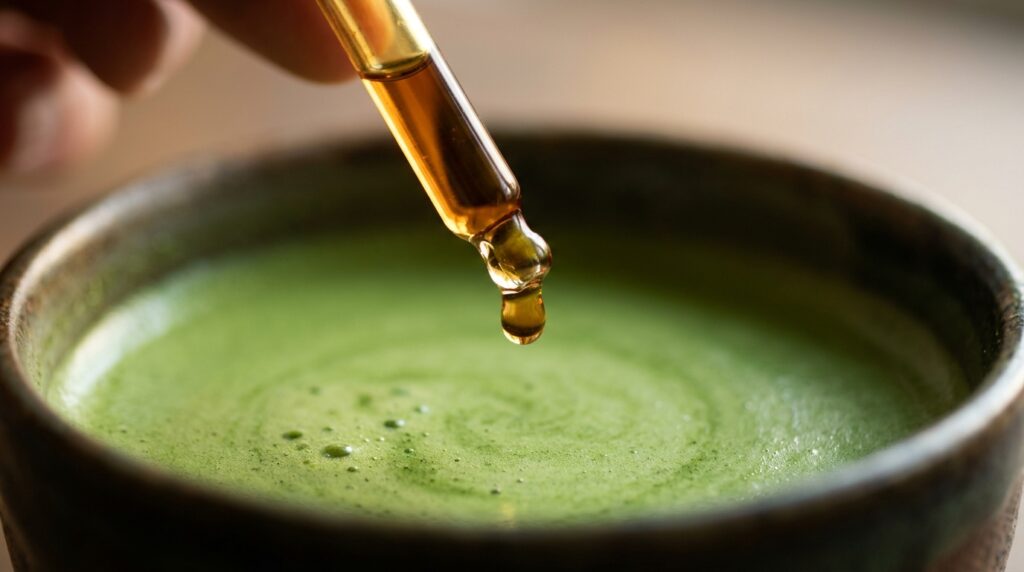
Online shopping makes it possible to compare product descriptions, container sizes, ingredient lists, and prices without visiting several physical stores. However, convenience does not automatically mean that every listing is reliable. When shopping for CBD Oil, a few deliberate checks can help buyers distinguish useful product information from persuasive marketing and avoid preventable purchasing mistakes. The aim is to make the ordering process straightforward while keeping product transparency and personal safety at the center of the decision.
Prepare Before Opening the Shopping Cart
A smooth online purchase starts with knowing which details matter. Without a plan, it is easy to become distracted by discounts, unfamiliar terminology, or packaging that makes one product appear more appealing than another.
Begin by identifying practical preferences. Bottle size, ingredient restrictions, extract type, flavor, and budget can help narrow the choices. These are shopping preferences, not evidence that a product will deliver a particular health outcome.
It is also useful to establish a few requirements that should never be compromised. A product should have readable labeling, a clear ingredient list, understandable cannabinoid information, and access to relevant testing documentation when available.
Consider making two lists:
- Essential requirements: accurate product identification, clear CBD content, ingredient transparency, and applicable legal compliance.
- Personal preferences: bottle design, flavor, packaging convenience, and preferred price range.
This distinction keeps a low price or attractive presentation from outweighing important product details.
Use Product Filters Carefully
Online stores may allow shoppers to filter products by price, concentration, extract type, or other characteristics. These features can reduce the time spent browsing a large catalog.
Start with broad filters, then examine the remaining listings individually. A product marked as a particular strength should still be checked for total CBD content and container volume. Similarly, a filter for broad-spectrum products does not replace a review of the actual formulation and laboratory results.
Avoid selecting the highest concentration simply because it appears more economical. Concentration indicates how much CBD is present relative to the product volume. It does not establish that the product is better suited to an individual.
If two products appear similar, compare the information displayed on their full product pages rather than relying on the short description shown in the search results.
Read Every Important Detail on the Product Page
A reliable product page should answer the questions a reasonable buyer would ask before spending money. If essential information is missing, contact the seller or consider a listing with clearer documentation.
Look for the following details:
| Product detail | What to verify |
|---|---|
| Total CBD | The stated amount of cannabidiol in the container |
| Product volume | The liquid quantity, such as the number of milliliters |
| Extract type | Whether the formula is full-spectrum, broad-spectrum, or isolate |
| Ingredients | Carrier oils, flavorings, and other listed components |
| THC information | Whether THC may be present and what testing reports show |
| Laboratory testing | Whether a relevant certificate of analysis is available |
| Storage guidance | Instructions for protecting product quality |
| Seller information | Business identity, contact details, and purchasing policies |
The details should be consistent across the product page, package label, and laboratory documentation. If the website advertises a particular CBD amount but the certificate reports a substantially different figure, ask for clarification.
Be cautious when a listing uses phrases such as highly potent, pharmaceutical grade, or completely safe without explaining the basis for those statements. Marketing language is not a substitute for verifiable information.
Understand the Price Before Checking Out
The displayed price is only one part of the purchasing decision. Bottle size, total CBD content, shipping charges, taxes, and recurring-order conditions may change the overall cost.
For example, imagine two hypothetical products. One contains 500 mg of CBD and costs $30. Another contains 1,000 mg and costs $50. Based only on the stated figures, their costs per milligram are six cents and five cents, respectively.
That calculation can identify a price difference, but it cannot determine which product is better. The formulas may have different ingredients, testing standards, concentrations, or packaging. The example is a comparison exercise, not a recommendation to choose a higher-strength product.
Before paying, review the final checkout amount. Some stores offer promotional pricing that applies only to a first purchase, a minimum order, or a subscription. Make sure the price shown in the shopping cart matches the terms that were advertised.
Watch for Automatic Subscription Terms
Recurring orders can be convenient for products that someone chooses to purchase regularly, but the terms should be clear before enrollment.
Check whether the order is a one-time purchase or an automatically renewed subscription. If recurring billing applies, confirm the frequency, renewal price, cancellation process, and deadline for making changes.
A discount should not pressure anyone into committing to repeated shipments before evaluating the product information. For a first purchase, a one-time order may make it easier to assess packaging, documentation, and the overall shopping experience without taking on an ongoing commitment.
Also review return policies carefully. Some businesses restrict returns of opened wellness products for hygiene or regulatory reasons. Others may offer different procedures for damaged, incorrect, or missing items. Understanding these conditions beforehand helps avoid surprises.
Check Whether the Seller Provides Meaningful Transparency
A professional-looking website does not automatically establish that a seller is trustworthy. Reliable purchasing decisions depend on the quality of the information provided and whether the business makes it possible to resolve questions.
Start by looking for a business name, accessible customer support, clear terms of sale, and a stated privacy policy. Check whether the seller explains where product information comes from and how testing documents relate to the products being offered.
Understand the Certificate of Analysis
A certificate of analysis, or COA, is a laboratory report that may provide information about the composition and testing of a particular product batch.
A useful report should identify the sample or batch and the laboratory responsible for the analysis. Depending on the panel, it may include measurements for CBD, THC, other cannabinoids, and selected contaminants.
The report should be understandable enough to compare with the label. If the product is marketed as containing a particular amount of CBD, the laboratory findings should be reasonably consistent with that claim, taking the report’s units and testing methods into account.
A COA is not a universal safety guarantee. It may cover only selected substances, and it cannot prove that CBD will produce a particular result. The absence of a contaminant from a report may mean that it was not tested, rather than that it is definitely absent.
If a seller provides a report that cannot be connected to the listed product, ask whether a batch-specific report is available.
Protect Personal Information During Checkout
Convenience should include a sensible approach to payment and privacy. Before submitting an order, check that the website explains how personal information is collected and used.
Provide only the information necessary to complete the transaction. Read the privacy policy if there are concerns about marketing messages, data sharing, or account creation. Use a payment method with appropriate security protections and keep order confirmations for reference.
Be cautious about sellers that request unnecessary personal information or use aggressive messages to push a purchase. A legitimate shopping process should give buyers time to review the product and understand the terms.
Save the order number, receipt, product name, and batch details when available. These records can help if a shipment arrives damaged, a different product is delivered, or a question arises about the item purchased.
Review Shipping, Delivery, and Local Restrictions
Before placing an order, confirm that the seller ships to the destination and that the product complies with the relevant rules. CBD regulations vary by country and region. Rules may address hemp origin, THC limits, product categories, health claims, and import requirements.
Do not assume that a product can legally cross a border simply because a retailer accepts the order. A shipment may face restrictions that do not apply to domestic purchases.
Check the estimated dispatch and delivery windows, shipping charges, tracking options, and procedures for lost or damaged parcels. If the seller ships temperature-sensitive or light-sensitive goods, review any relevant handling guidance.
When the package arrives, inspect the seal, container, label, and batch information before using the product. If the seal is broken, the contents appear altered, or the label differs from the order, contact the seller and avoid using the product until the concern has been resolved.
Keep Health and Safety Separate From Shopping Convenience
An easy checkout does not mean a product is appropriate for every buyer. CBD may cause side effects and interact with medicines, including medicines processed by certain liver enzymes. A healthcare professional can help evaluate whether potential risks are relevant to an individual’s circumstances.
People who take prescription medication or have an ongoing medical condition should consult a qualified healthcare professional before using CBD. People who are pregnant or breastfeeding should avoid CBD unless specifically advised otherwise by an appropriate healthcare professional because safety information is limited.
Product claims also deserve careful interpretation. Research into CBD is ongoing, and evidence varies by condition and formulation. In the United States, a prescription CBD medicine is approved for certain seizure disorders, but that does not establish that every retail oil is effective for the same conditions.
Never treat customer reviews as medical proof. Reviews can describe a buyer’s experience with ordering, packaging, taste, or customer support, but individual experiences do not establish clinical effectiveness or predict another person’s response.
Final Thoughts
Shopping for CBD Oil online can be convenient when product details, seller policies, testing documents, and total costs are checked before checkout. Clear labels and accessible customer support are more useful than dramatic promises or pressure to buy immediately. Review recurring-payment terms, shipping restrictions, and privacy practices before placing an order. A careful process helps make the purchase more transparent while keeping health decisions grounded in qualified advice.